
If you’ve ever stepped out of a shower and found a mini lake on the bathroom floor, you know the frustration that comes with a leaky liner. Most homeowners chalk it up to “bad luck,” but the truth is a little bit of know‑how can keep water where it belongs.
Smart Gilbert residents get that a quality shower liner is the unsung hero of a dry bathroom. It’s not just a cheap plastic sheet; it’s the barrier that protects your tile, your subfloor, and your wallet from costly water damage.
Too many people pick the first liner they see, ignore proper installation, or skip the sealant altogether. The result? A soggy mess that turns a relaxing rinse into a repair nightmare.
Ready to discover the three things every savvy homeowner in Gilbert should check before buying a liner? Keep reading and you’ll avoid the common pitfalls that leave most people scrambling for a mop.
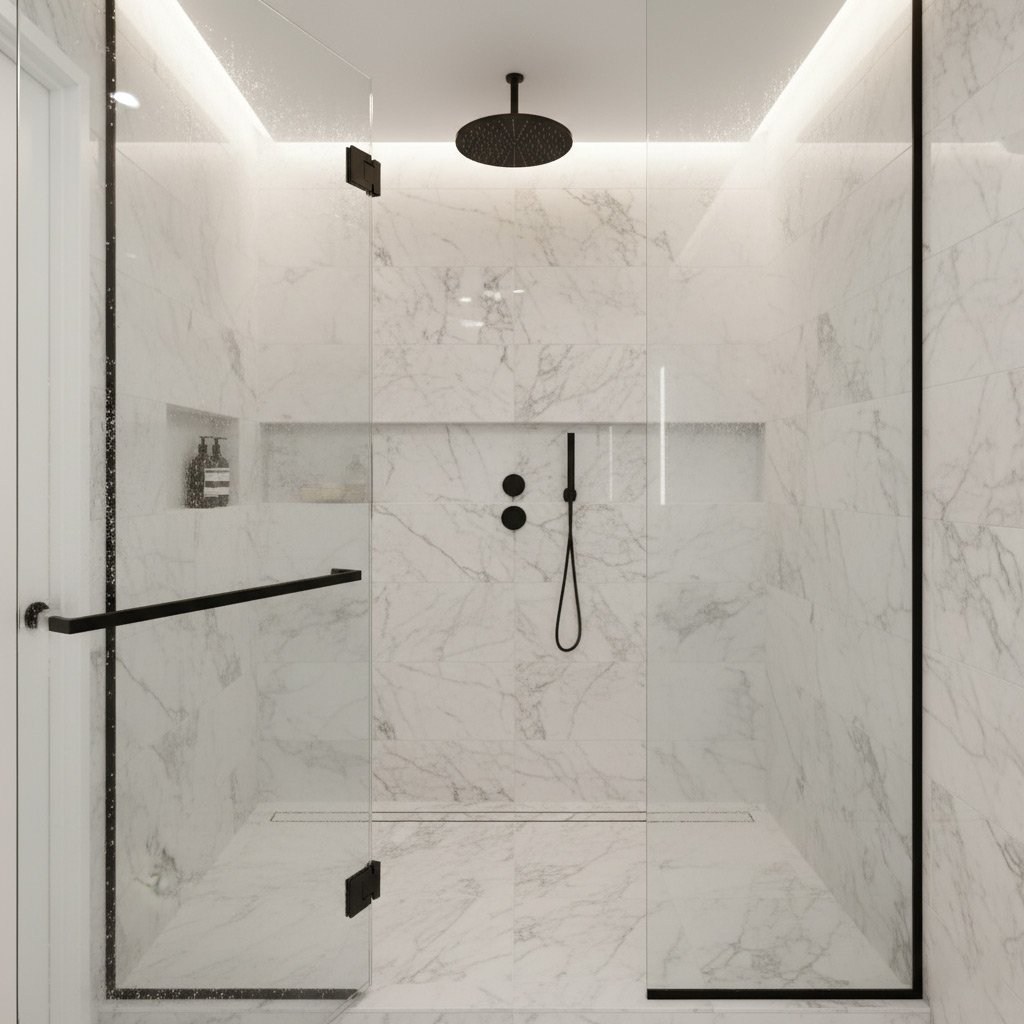
Types of Shower Liners: Vinyl, PVC, and Fiberglass Explained
Gilbert’s desert heat and occasional monsoon bursts demand a liner that can handle both expansion and moisture. Choosing the right material isn’t a guessing game; it’s about matching performance to climate.
Vinyl Shower Liners
Vinyl is the most common choice because it’s cheap and easy to cut. It flexes with temperature swings, but it can tear if you’re not careful.
- Pros: lightweight, budget‑friendly, simple DIY install.
- Cons: lower durability, prone to punctures, may need extra sealant.
PVC (Polyvinyl Chloride) Liners
PVC steps up the game with a tougher skin and better resistance to chemicals. It’s a bit heavier, so you’ll need a helper for the lift‑off.
- Pros: strong water barrier, resistant to mold, longer lifespan.
- Cons: higher cost, can become brittle in extreme heat if not UV‑protected.
Fiberglass Shower Liners
Fiberglass is the heavyweight champion for Gilbert homes that see a lot of water traffic. It’s rigid, so installation takes precision, but once set, it’s virtually leak‑proof.
- Pros: excellent structural support, superior water resistance, minimal flex.
- Cons: pricey, requires professional fitting, can crack if the subfloor shifts.
Bottom line: don’t pick the first roll you see. Weigh cost, durability, and how the material reacts to our local temperature swings before you commit.
Selecting the Ideal Liner Thickness and Material for Gilbert’s Climate
Why Thickness Matters
Gilbert’s summer can push 110°F, and the bathroom isn’t immune. A thin liner will flex, crack, and let water sneak under the tile. Go for at least 4‑mil vinyl or 6‑mil PVC to give the barrier the stamina it needs.
Thicker isn’t always better if it’s too rigid. You want a balance: sturdy enough to resist tears, flexible enough to hug the curve of your tub. Think of it like a good pair of shoes—support without stiffness.
Material Match for Desert Heat
Vinyl is cheap, but it can warp when the heat spikes. PVC holds its shape better and resists UV‑fade, making it a smart pick for homes with large windows. Fiberglass looks sleek, yet it’s brittle in a desert swing‑and‑miss.
- Vinyl: budget‑friendly, easy to cut, but watch for warping.
- PVC: tougher under heat, good chemical resistance.
- Fiberglass: premium look, but handle with care.
When you line up the material with the thickness, you get a combo that survives Gilbert’s dry heat and occasional monsoon bursts. Pick the pair that fits your budget and your peace of mind.
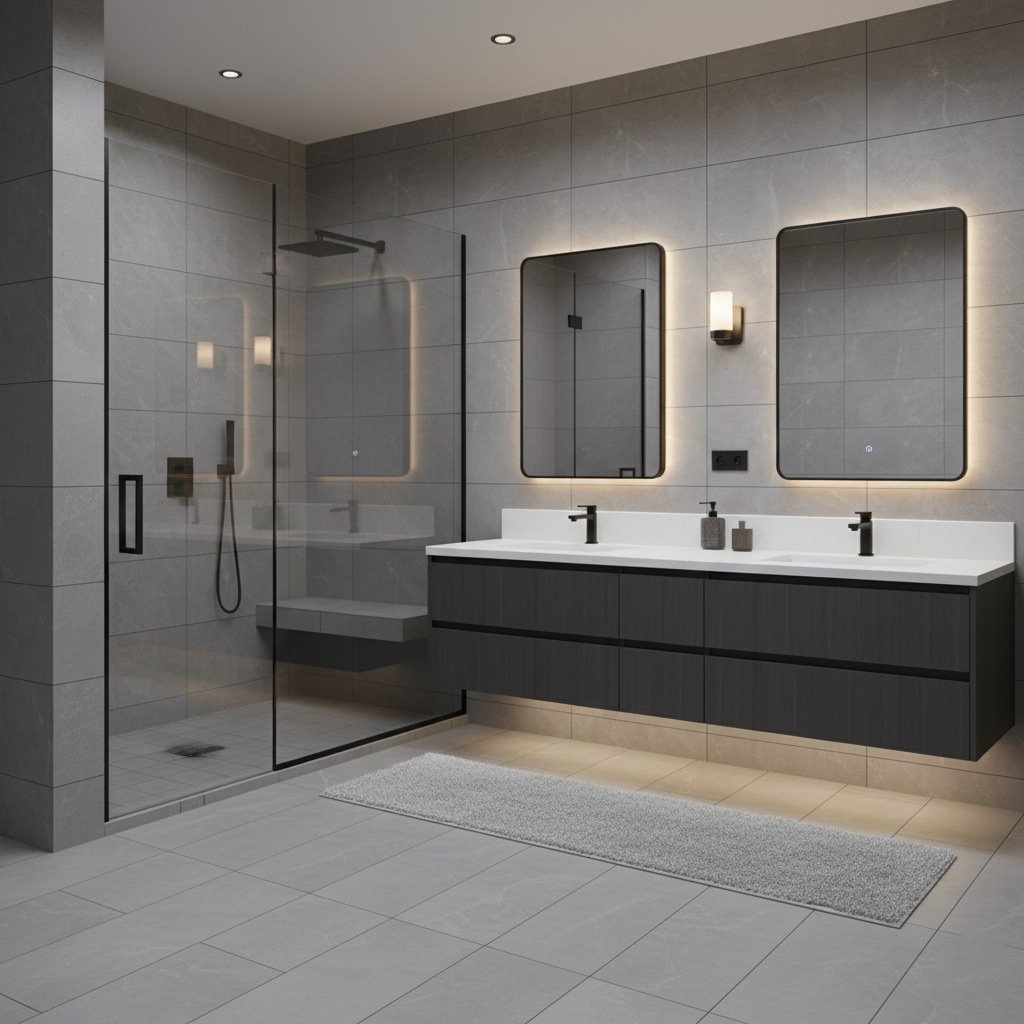
Must‑Have Features: Water‑Resistance Ratings, Mold Protection, and Warranty Details
When you’re shopping for a shower liner in Gilbert, the specs matter more than the price tag. A liner that can’t hold back the desert humidity will betray you faster than a cheap tile. Look for the three pillars that keep water where it belongs.
Water‑Resistance Ratings
Every quality liner carries a hydro‑rating that tells you how much moisture it can endure before it starts to sag. In our climate, aim for a rating of at least 1500 mm water column. Anything lower is a gamble.
- 1500 mm – solid for most residential showers.
- 2000 mm – ideal for larger master baths or high‑flow fixtures.
- 2500 mm+ – overkill unless you run a steam shower.
Mold Protection
Gilbert’s heat loves to feed mold spores, so a liner with built‑in antimicrobial treatment is a must. Look for terms like “mildew‑resistant” or “anti‑fungal coating.” These additives keep the liner from turning into a breeding ground.
- Silver‑ion or copper‑based additives – proven to inhibit growth.
- Seam‑seal technology – reduces water pockets where mold loves to hide.
- Easy‑clean surface – wipes down without harsh chemicals.
Warranty Details
A solid warranty is the safety net that separates a confident installer from a nervous one. The best liners come with a 10‑year limited warranty that covers leaks, delamination, and coating failure.
- Check if the warranty is transferable – good for resale value.
- Read the fine print: does it require professional installation?
- Note the claim process – quick response means less downtime.
Step‑by‑Step Installation Guide: From Prep to Perfect Seal
1. Prep the Shower Area
Start by pulling the old liner off and scrubbing the tub surface until it’s spotless; any residue will ruin the new seal.
What you need:
- Utility knife for trimming excess liner
- Masking tape to protect tile edges
- Non‑slip cleaner and a scrub brush
- Measuring tape and a pencil for precise cuts
2. Apply Adhesive and Position the Liner
Spread a thin, even coat of high‑quality bathroom adhesive on the tub floor and walls, then lay the liner carefully, smoothing out bubbles as you go.
Key moves:
- Press the liner firmly into corners; they’re the weak spots.
- Use a roller or a flat board to roll out air pockets.
- Trim the excess with a fresh utility knife, leaving a ¼‑inch gap at the drain.
3. Seal the Edges and Let It Cure
Run a bead of silicone sealant along every seam, especially where the liner meets the tub wall and the shower curb.
Finish up by wiping away any excess sealant, letting it cure for at least 24 hours, then give the surface a quick wipe‑down before you step back and admire a leak‑free shower.

Common Installation Pitfalls and How to Avoid Them
Pitfall #1: Skipping Surface Prep
Most DIYers rush past the cleaning step, assuming a quick sweep will do. In reality, any dust, soap scum, or old caulk will sabotage the bond, letting water seep behind the liner.
Fix it: wipe the tub wall with a citrus‑based cleaner, rinse, then dry with a lint‑free cloth. Follow with a thin coat of primer if the liner manufacturer recommends it.
Pitfall #2: Wrong Sealant Choice
Using generic silicone or a cheap acrylic caulk sounds cheap, but it can shrink or crack under Gilbert’s heat swings. The result? A tiny gap that turns into a flood.
Choose a 100% silicone sealant labeled “mold‑resistant” and rated for high‑temperature bathrooms. Apply a continuous bead, then smooth it with a wet finger or a caulk‑smoothing tool.
Pitfall #3: Ignoring Expansion Gaps
Cutting the liner to fit like a puzzle piece leaves no room for movement. Tiles expand in summer, contract in winter—your liner needs breathing space.
Leave a ¼‑inch gap at the corners and around the drain. Tape the edges, then fill the gap with a flexible backer rod before caulking.
- Double‑check the liner’s thickness; too thin = easy puncture, too thick = hard to seal.
- Never reuse old adhesive; fresh glue guarantees a watertight seal.
- Test the seal with a wet cloth before the final cure—any seepage shows up instantly.
Case Study: How We Fixed a Leaking Master Bath Shower Liner in Gilbert, AZ
The Problem
When the Johnson family called, water was pooling at the base of their master shower, seeping into the subfloor and threatening the new tile they’d just installed. They’d tried a cheap vinyl liner, but the seams split after a single heavy rain‑day shower. The leak was obvious, the damage was growing, and the homeowner was ready to toss the whole bathroom.
The Solution
We swapped the failing liner for a 12‑mil PVC sheet with a built‑in antimicrobial coating—perfect for Gilbert’s dry‑heat and occasional monsoon bursts. The installation followed a tight, three‑step process:
- Remove the old liner, scrape away all residual sealant, and let the surface dry for 24 hours.
- Apply a water‑resistant primer to the back wall, then lay the new PVC, overlapping seams by at least 2 inches.
- Seal every edge with a silicone caulk rated for 150 °F—the temperature range we see in summer.
We also added a drain‑flange gasket to lock the liner to the tub’s lip, eliminating any chance of water slipping underneath.
Result & Takeaway
Within a week, the Johnsons reported a dry floor and a quiet shower. The new liner held up through a sudden summer thunderstorm—no leaks, no mold, no extra repair bills. The key lesson? Don’t skimp on material or sealant. A proper PVC liner, correctly overlapped and sealed, is the only way to keep Gilbert’s showers from turning into indoor pools.
Final Words
When you walk away from the job, the goal is simple: no water, no worries. A properly chosen liner, the right thickness for Gilbert’s heat, and a clean seal keep your bathroom dry for years.
What to Do Next
- Inspect the seam after the first shower. Look for any drips or damp spots.
- Apply a fresh bead of silicone every 12 months to keep the seal tight.
- Schedule a quick check‑up with a local pro if you notice any movement in the tile.
Need more guidance? Our Shower Liners page breaks down every material, thickness, and warranty option so you can pick the perfect match without guessing.
People Also Ask
What is the best shower liner material for Gilbert’s hot, dry climate?
Vinyl and PVC liners are most popular because they resist cracking under temperature swings, while fiberglass offers extra durability for high‑traffic showers. Choose a liner with UV‑stabilized additives to prevent fading from the Arizona sun.How thick should a shower liner be to prevent leaks in a Gilbert home?
A 4‑mil (0.1 mm) thickness is the industry minimum, but 6‑mil or 8‑mil liners provide a stronger barrier against water infiltration and are recommended for larger master baths.Do shower liners need a mold‑resistant coating in Arizona?
Yes, a liner with an antimicrobial or mold‑inhibiting coating helps combat the humidity that can develop after hot showers, extending the liner’s lifespan and keeping the bathroom healthier.What warranty should I look for when buying a shower liner?
Look for a minimum 5‑year warranty that covers water leakage, material defects, and mold resistance. A longer warranty often indicates higher‑quality construction and better manufacturer confidence.Can I install a shower liner myself, or should I hire a professional?
DIY installation is possible if you follow proper prep steps and use a high‑quality sealant, but a professional ensures a flawless seal and avoids costly mistakes like uneven seams or missed corners.
Gilbert Bathroom Remodel specializes in bathroom renovations, drawing on more than a decade of craftsmanship to serve homeowners throughout Gilbert, Arizona. Their team blends local insight with industry expertise to create functional, stylish spaces tailored to each client’s vision.
Need Bathroom Remodel?
We transform bathrooms in Gilbert, AZ (85233, 85234, 85295, 85296, 85297) and nearby communities with fast, reliable remodels, delivering beautiful, functional spaces on schedule.
Get Bathroom Quote